Home | People | Research | Projects | Publications | Lab | Lab Safety | Admissions | Recruitment | Downloads | 中文
Research background
When CO2 is injected into deep saline aquifers, the overlaying gas cap dissolves into the brine, raising the local density and inducing Rayleigh-Darcy convection; the dissolved CO2 reacts with formation ions to form precipitates. Owing to the lack of direct observation, the role of reactive precipitation in CO2 convective dissolution has long been debated, and the influence of porous structure remains unclear. Using high-pressure visualization experiments, this direction reveals pore-scale reaction–flow coupling processes in support of storage security, capacity, and efficiency assessment.
Coupling of CO2 convective dissolution and reactive precipitation
We performed high-pressure visualization experiments observing CO2 convective dissolution into Ca(OH)2 solution with CaCO3 precipitation, comparing cases with and without porous structure. Without porous structure, the reaction front is sharp and flat, and cloud-like particle suspensions move chaotically with the convection. With porous structure, symmetric fingers appear above the reaction front, and the precipitates deposit in place at the pore scale without participating in convection. Based on the observations, we proposed important simplifications for numerical modeling, providing a benchmark for studies of convective dissolution coupled with reactive precipitation (Advances in Water Resources 2025).
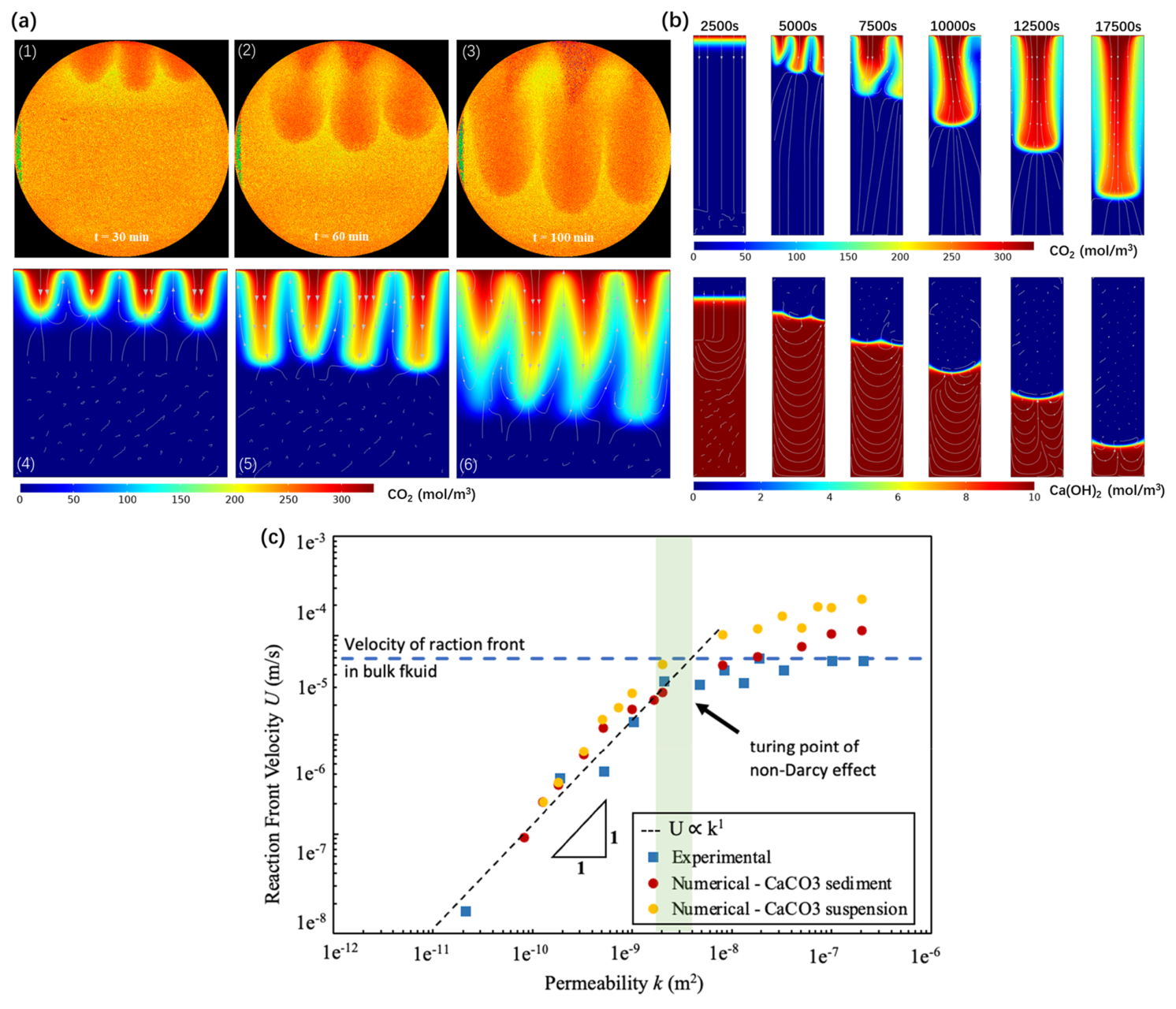
Fig. 1 Symmetric fingers above the reaction front in the Ca(OH)2 system (Adv. Water Resour. 2025, Fig. 7)
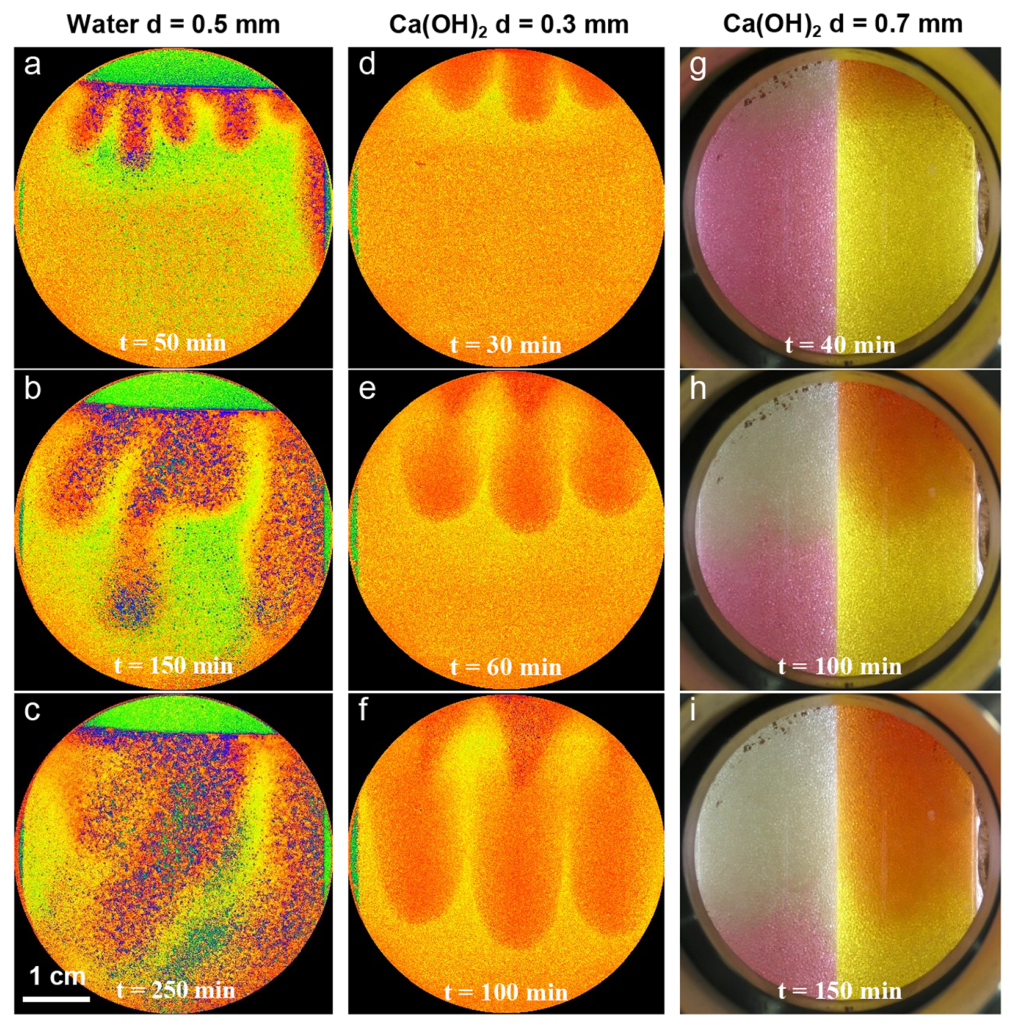
Fig. 2 Dynamic convective dissolution of CO2 in porous media (Adv. Water Resour. 2025, Fig. 4)
Paper
Shuai Zheng, Ke Xu*, Dongxiao Zhang. 2025. “Reactive precipitation during overlaying CO2 dissolution into brine: The role of porous structure”. Advances in Water Resources 196: 104880. https://doi.org/10.1016/j.advwatres.2024.104880
This page was compiled from the group’s publications with AI assistance.